
Dr. Asterios Diafas
Ocular OncologyVitreoretinal Surgery
+30 694 240 6078asterisdiafas@hotmail.com
Condition · Vitreoretinal surgery

Flashes & floaters

Flashes and floaters in your vision

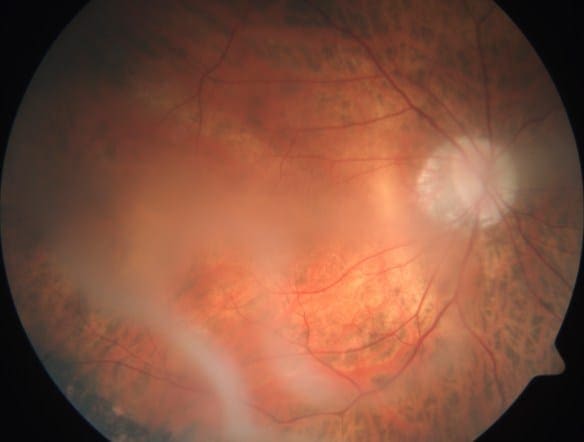
Clinical image — Flashes & floaters.
Overview

Flashes (photopsias) and floaters are common visual phenomena associated with changes in the vitreous, the gel-like substance that fills the inside of the eye.

They are usually benign; however, the sudden onset or sudden increase in flashes or floaters may indicate a retinal tear or detachment and requires urgent ophthalmic assessment.

Symptoms

You may notice:

  • Small dots, lines, or shadows that move with your gaze
  • Flashes or brief bursts of light, particularly in the peripheral vision
  • A sudden increase in the number of floaters
  • A dark shadow or “curtain” across your vision in more serious cases
Risk factors

Flashes and floaters are commonly associated with age-related changes in the vitreous, particularly posterior vitreous detachment. Risk factors include increasing age, high myopia, previous cataract or other intraocular surgery, ocular trauma, and a history of retinal tears or retinal detachment. In some cases, flashes and floaters may be caused by inflammation or bleeding within the eye.

How is it diagnosed?

Diagnosis requires a dilated retinal examination, with careful assessment of the peripheral retina to look for retinal tears or detachment.

Ocular ultrasound may be required if the retina cannot be adequately visualised, for example because of a vitreous haemorrhage.

Treatment

Most flashes and floaters caused by an uncomplicated PVD do not require treatment and gradually become less noticeable.

If a retinal tear is identified, laser treatment or cryotherapy may be required to reduce the risk of retinal detachment.

Retinal detachment requires urgent treatment, usually involving surgical intervention.

When to seek an assessment

Sudden new flashes or floaters should be assessed urgently, particularly if there is a sudden shower of floaters, reduced vision, or a dark curtain or shadow.

Prompt examination is important because retinal tears can often be treated before they progress to retinal detachment.

Key points
  • Flashes and floaters are common and are often caused by changes in the vitreous.
  • Sudden new symptoms can indicate a retinal tear or detachment.
  • A dilated retinal examination is important to exclude serious retinal disease.
  • Seek urgent assessment if symptoms appear suddenly or are associated with reduced vision or a shadow/curtain.

Talk it through with Dr. Diafas.

If you experience new floaters or flashes, it is important to have an urgent eye examination. Early examination of the retina helps rule out a retinal tear or detachment.

This page provides general information only and is not a substitute for an individual consultation.

Book an appointment