
Dr. Asterios Diafas
Ocular OncologyVitreoretinal Surgery
+30 694 240 6078asterisdiafas@hotmail.com
Condition · Vitreoretinal Surgery · Emergency

Retinal tears

A cause that can lead to retinal detachment

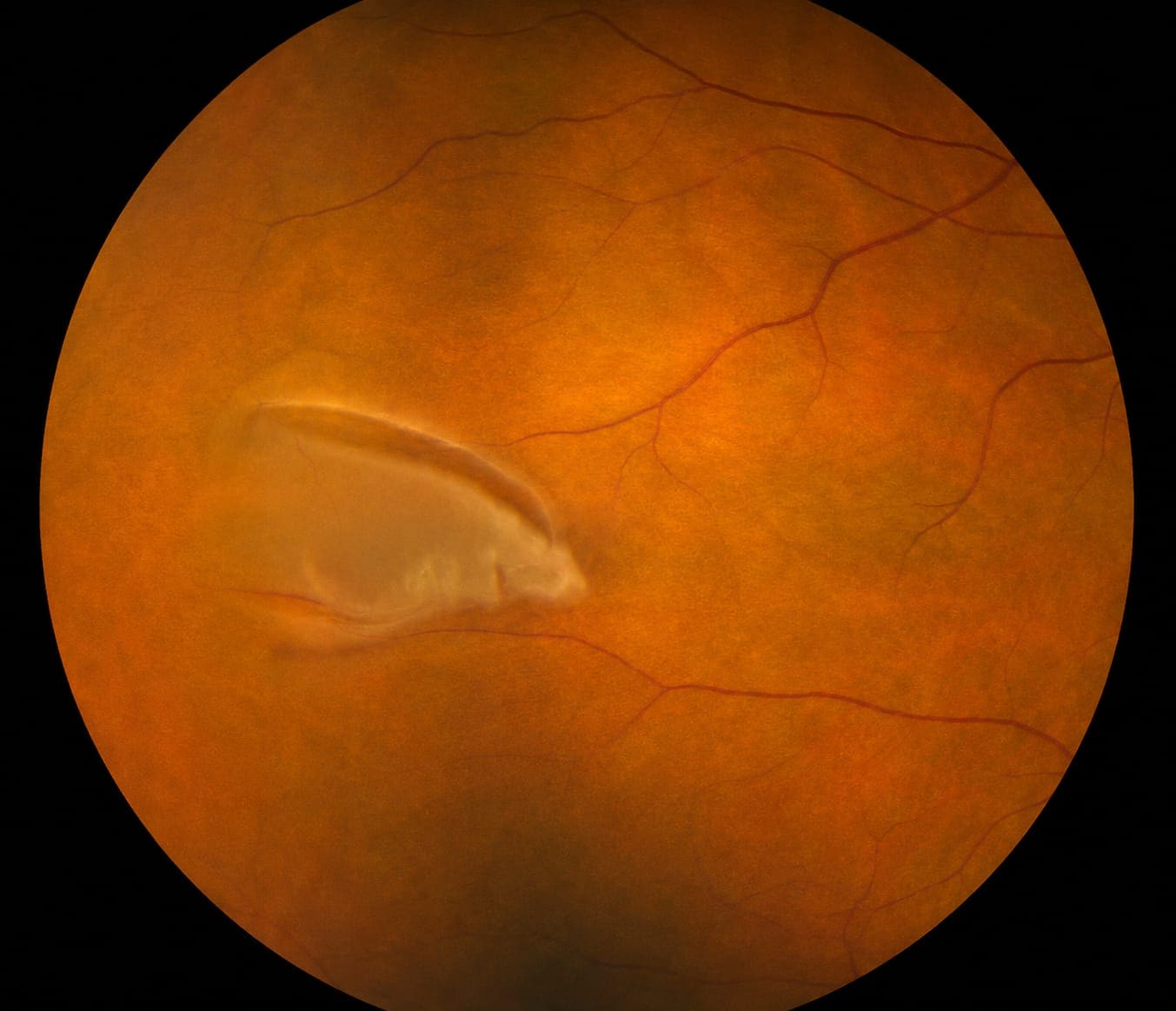
Clinical image — Retinal tears.
Overview

A retinal tear is a small break in the retina, usually caused by traction from the vitreous on the retina. It occurs more frequently with age, as the vitreous naturally separates from the retina, but it can also develop following trauma or eye surgery.

A retinal tear can allow fluid to pass underneath the retina and lead to retinal detachment. For this reason, prompt ophthalmic assessment and treatment are particularly important.

Symptoms

Retinal tears may cause:

  • Sudden flashes of light
  • A sudden increase in floaters or dark spots
  • Cobweb-like shapes in the vision
  • Occasionally, no symptoms at all
Risk factors

Risk factors for retinal breaks or tears include increasing age, posterior vitreous detachment, high myopia, previous cataract or intraocular surgery, ocular trauma, and a history of retinal tears or retinal detachment in either eye. Peripheral retinal degeneration, such as lattice degeneration, may also increase the risk.

How is it diagnosed?

Diagnosis requires a dilated retinal examination, usually with careful examination of the peripheral retina. Wide-field retinal imaging may assist the examination, but some small or peripheral tears can only be identified with a detailed clinical examination.

If the view of the retina is obscured, for example by a vitreous haemorrhage, an ocular ultrasound may be required.

Treatment

Most symptomatic retinal tears are treated promptly, with the aim of preventing retinal detachment.

Treatment usually includes:

  • Laser photocoagulation, creating a protective barrier around the tear
  • Cryotherapy, particularly when the tear cannot be safely treated with laser
  • Treatment is usually performed in the clinic and aims to reduce the risk of progression to retinal detachment

However, some asymptomatic, old and stable retinal tears, without evidence of active vitreoretinal traction, may not require treatment.

When to seek an assessment

New flashes, a sudden increase in floaters, or a new shower of dark spots require urgent retinal assessment.

This is particularly important if symptoms occur suddenly or are associated with reduced vision or a dark curtain or shadow. Early detection and treatment of a retinal tear can prevent a retinal detachment.

Key points
  • A retinal tear is a break in the retina that can lead to retinal detachment.
  • Flashes and a sudden increase in floaters are important warning symptoms.
  • A dilated peripheral retinal examination is essential for diagnosis.
  • Prompt laser or cryotherapy can prevent many retinal tears from progressing to retinal detachment.

Talk it through with Dr. Diafas.

For non-urgent assessment, monitoring of risk factors, or a second opinion after treatment, book an appointment. If you experience sudden symptoms, seek urgent medical attention immediately on the same day — do not use the contact form.

This page provides general information only and is not a substitute for an individual consultation.

Book an appointment