
Dr. Asterios Diafas
Ocular OncologyVitreoretinal Surgery
+30 694 240 6078asterisdiafas@hotmail.com
Procedure · Vitreoretinal Surgery

Retinal Detachment Repair

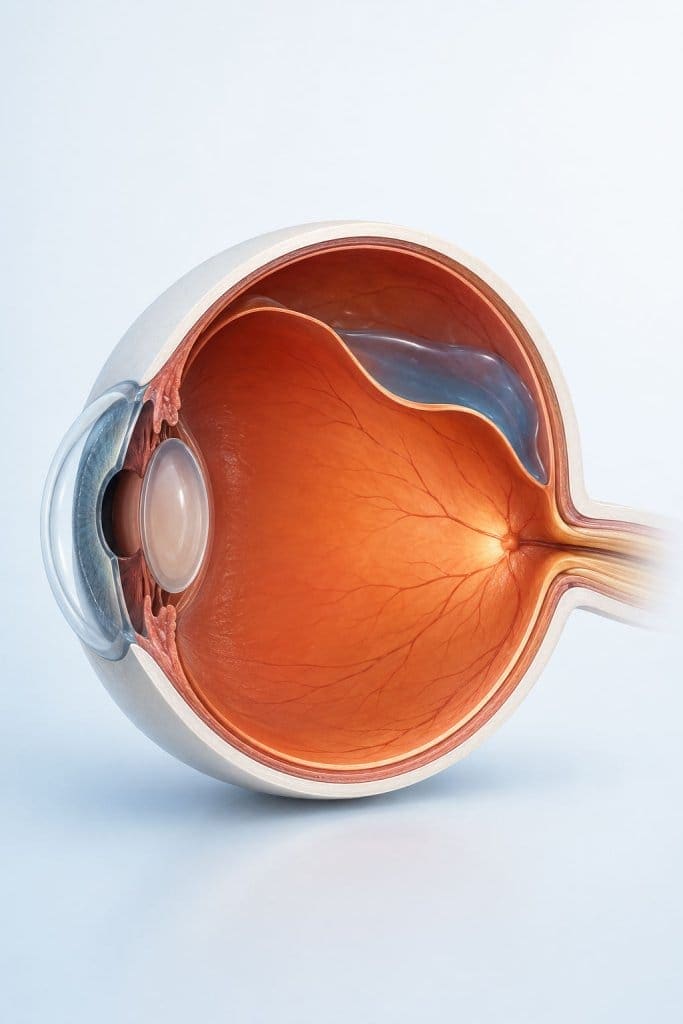
Retinal detachment is a serious condition in which the retina separates from the back wall of the eye. Without prompt treatment, it can lead to significant and permanent vision loss. Surgical repair aims to reattach and stabilize the retina.

The procedure is performed under local or general anaesthesia, depending on the individual case. The aim is to close the retinal tears and restore the retina to its normal position. If gas or silicone oil is used, a specific head position may be required for a certain period of time. Vision usually improves gradually, while the final outcome depends mainly on the extent and duration of the retinal detachment and whether the macula has been affected.

Who it is for

Surgical repair is indicated for patients with rhegmatogenous retinal detachment, in which one or more retinal tears allow fluid to pass underneath the retina. Depending on the characteristics of the detachment, treatment may involve vitrectomy, scleral buckling or pneumatic retinopexy, either alone or in combination.

What to expect

Because a detachment is time-critical, assessment and imaging are arranged urgently. The options are explained in plain terms, consent is taken, and a plan is agreed — including any head-posturing you will need afterwards.

The retina is reattached by the technique chosen for your detachment — vitrectomy, a scleral buckle, gas, or a combination — under local or general anaesthetic. The eye is then filled to hold the retina in place while it heals.

You may need to hold a particular head position for several days, and you must not fly while a gas bubble remains in the eye. Drops guard against infection and inflammation, and vision recovers gradually over weeks. If the macula had detached, central vision may not fully return.

Talk it through with Dr. Diafas.

Learn about the available surgical options for retinal detachment repair and discuss with your doctor which approach is most appropriate for your individual case.

This page provides general information only and is not a substitute for an individual consultation.

Book an appointment