
Dr. Asterios Diafas
Ocular OncologyVitreoretinal Surgery
+30 694 240 6078asterisdiafas@hotmail.com
Condition · Cataract

Posterior capsule opacification

Clouding after cataract surgery – the so-called “secondary cataract”

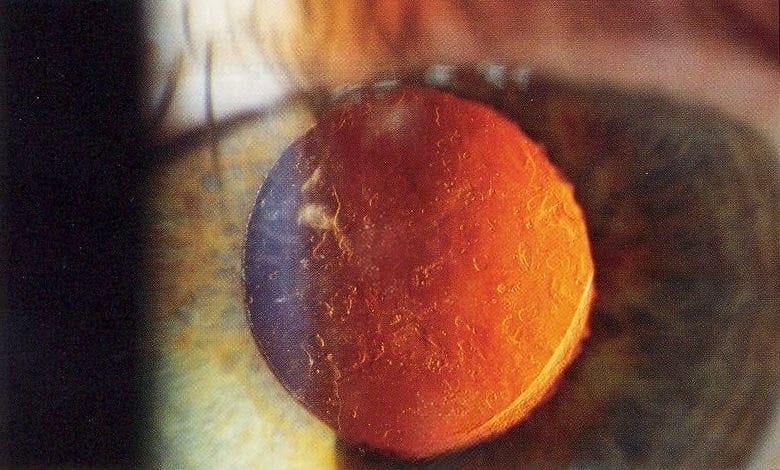
Clinical image — Posterior capsule opacification (secondary cataract).
Overview

Posterior capsule opacification, also known as a “secondary cataract,” is a common complication that can develop after cataract surgery. During cataract surgery, the eye’s natural lens is removed and replaced with an intraocular lens, while the capsule surrounding the lens remains in place. Over time, cells can grow on the back surface of the capsule and cause blurred vision.

This does not mean that the cataract has returned. It is clouding of the capsule behind the intraocular lens and can be effectively treated with a short YAG laser procedure.

Symptoms

Posterior capsule opacification can develop months or even years after cataract surgery. Symptoms may include:

  • Gradual blurring or reduction in vision
  • A hazy or “foggy” view
  • Increased sensitivity to light and glare
  • Reduced contrast and overall visual quality
  • Difficulty reading or performing other everyday activities
Risk factors

The risk of posterior capsule opacification is influenced by factors such as younger age at the time of cataract surgery, diabetes mellitus, ocular inflammation, previous ocular trauma or surgery, and certain types of intraocular lenses. It may develop months or years after cataract surgery, even in the absence of identifiable risk factors.

How is it diagnosed?

Diagnosis is made during a comprehensive eye examination using a slit-lamp after pupil dilation. The ophthalmologist will assess the posterior capsule and ensure there are no retinal or other ocular conditions responsible for the visual symptoms.

Treatment

When posterior capsule opacification significantly affects vision, the treatment of choice is YAG laser capsulotomy. Using a specialised laser, a small opening is created in the cloudy posterior capsule, allowing light to pass freely through to the retina again.

The procedure is quick, painless, and usually performed in the clinic, without any surgical incision. In most cases, an improvement in vision is noticeable within a short period of time.

When to seek an assessment

If you notice gradual blurring or a reduction in vision after cataract surgery, particularly if your vision initially improved after surgery and then deteriorated, it is important to have an eye examination.

Posterior capsule opacification is common and can be effectively treated with YAG laser capsulotomy. However, it is important to confirm that posterior capsule opacification is the actual cause of the visual deterioration before treatment.

Key points
  • Secondary cataract is common after cataract surgery.
  • It is not a recurrence of the original cataract.
  • YAG laser capsulotomy is the standard and highly effective treatment.
  • Most patients experience rapid visual improvement after treatment.

Talk it through with Dr. Diafas.

If you experience blurred vision after cataract surgery, book an appointment to determine the cause and discuss the available treatment options.

This page provides general information only and is not a substitute for an individual consultation.

Book an appointment