Dr. Asterios Diafas
Ocular OncologyVitreoretinal Surgery
+30 694 240 6078asterisdiafas@hotmail.com
Condition · Cataract

Cataract

Clouding of the eye’s natural lens

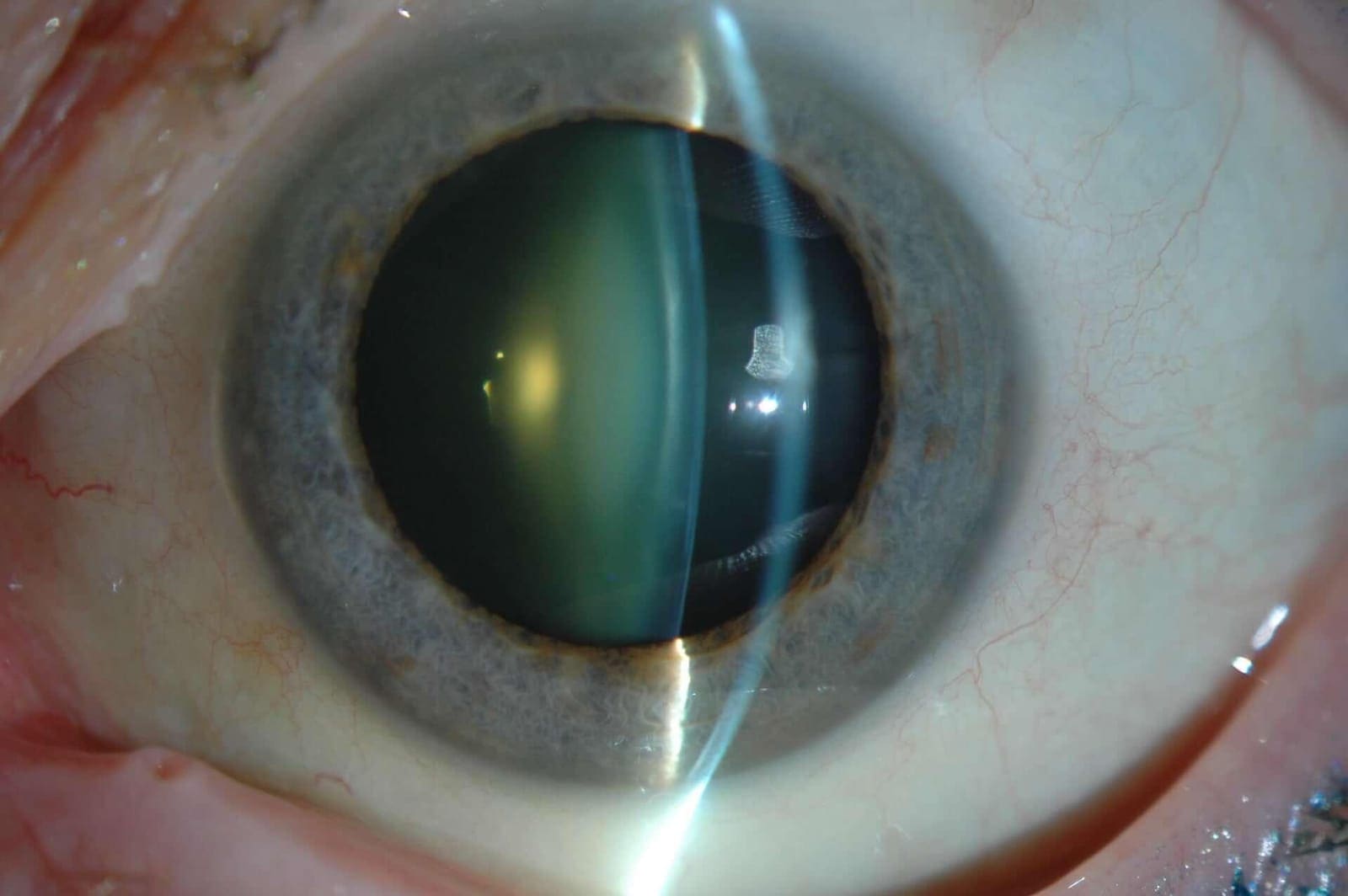
Clinical image — Cataract.
Overview

A cataract is a clouding of the eye’s natural lens, which is normally clear and helps focus images onto the retina. It usually develops gradually with age and causes a progressive decline in the quality of vision.

Cataracts can also develop at a younger age, for example following an eye injury or surgery, in association with certain medical conditions, or after prolonged use of corticosteroids.

Symptoms

Cataracts usually cause a gradual and painless deterioration in vision. The most common symptoms include:

  • Blurred or hazy vision
  • Increased sensitivity to light and glare
  • Difficulty seeing at night or while driving
  • Colours appearing less vivid
  • Difficulty reading or performing other everyday activities
  • Frequent changes in glasses prescription
Risk factors

The risk of developing cataract increases with age and may be influenced by factors such as diabetes mellitus, prolonged exposure to ultraviolet (UV) radiation, smoking, excessive alcohol consumption, previous ocular trauma or surgery, prolonged use of corticosteroids, and certain genetic or metabolic conditions. A family history of cataract may also contribute to increased risk.

How is it diagnosed?

Cataracts are diagnosed through a comprehensive eye examination. The ophthalmologist assesses visual acuity and examines the lens and the rest of the eye, usually after dilating the pupils. Other possible causes of reduced vision are also evaluated to determine whether the cataract is the main cause of the symptoms.

Treatment

In the early stages, changing your glasses prescription and improving the lighting may help. However, there are no eye drops or medications that can treat or reverse a cataract.

The definitive treatment is cataract surgery. The cloudy natural lens is removed and replaced with a clear artificial intraocular lens (IOL). The procedure is usually performed under local anaesthesia, and patients can generally return home the same day. Surgery is recommended when the cataract significantly affects your vision and your ability to carry out everyday activities.

When to seek an assessment

Schedule an eye examination if you notice gradually blurred vision, difficulty driving, particularly at night, or frequent changes in your glasses prescription.

Sudden loss or significant changes in vision, the new onset of flashes or floaters, or the appearance of a dark “curtain” or shadow in your field of vision require urgent ophthalmic assessment. These symptoms may be associated with serious retinal conditions and are not typical of cataracts.

Key points
  • Cataracts usually develop gradually with age.
  • Blurred vision, glare and difficulty seeing at night are common symptoms.
  • Surgery is the only definitive treatment for a visually significant cataract.
  • The timing of surgery depends on how much the cataract affects your vision and daily life.

Talk it through with Dr. Diafas.

To discuss whether cataracts are significantly affecting your vision or to seek a second opinion, you can schedule an appointment. The decision to proceed with surgery is made when you feel that the time is right for you.

This page provides general information only and is not a substitute for an individual consultation.

Book an appointment