
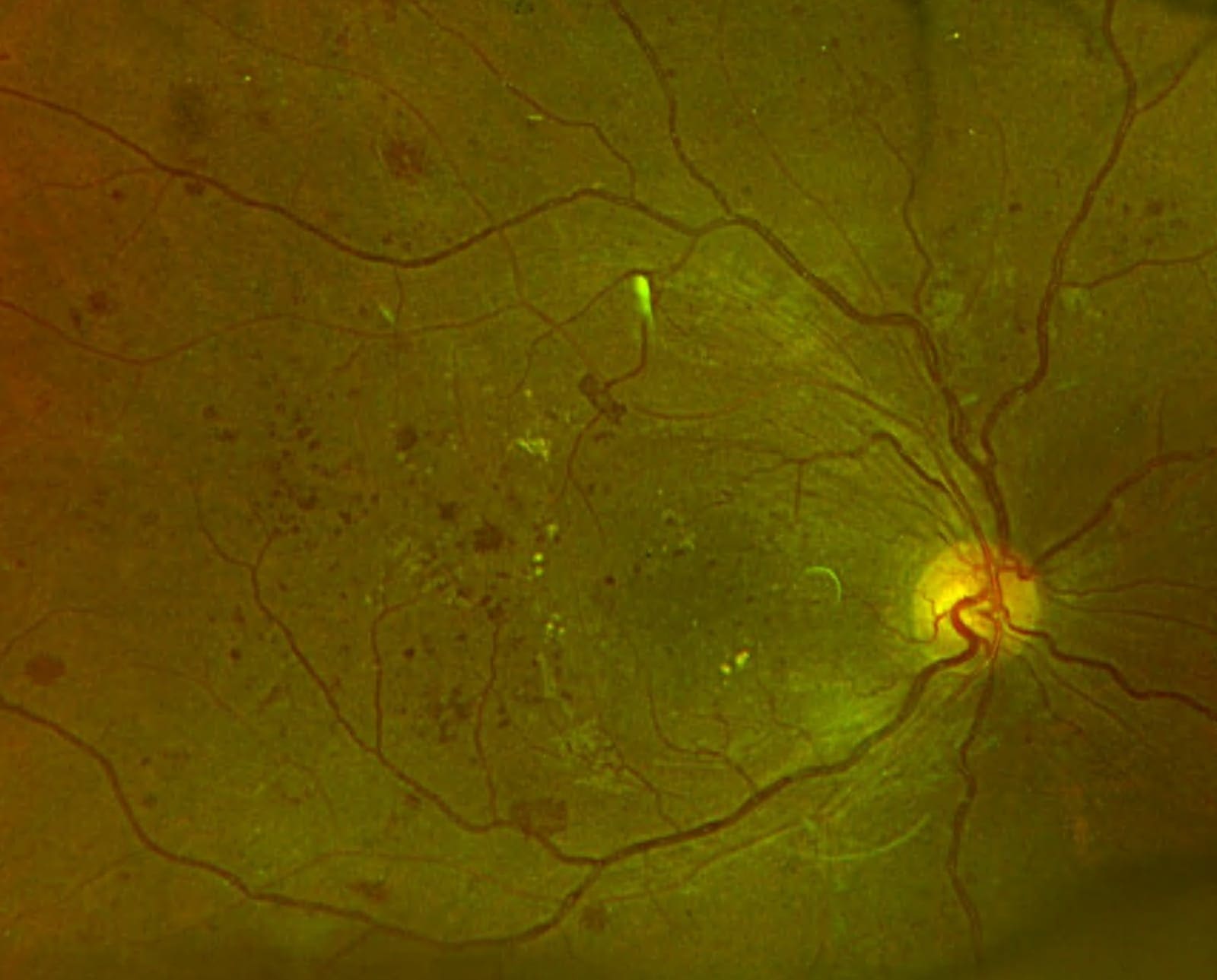
Diabetic retinopathy is a complication of diabetes that affects the blood vessels of the retina. Persistently elevated blood glucose levels can cause fluid leakage, retinal haemorrhages and, in advanced stages, the growth of abnormal blood vessels. The condition can progress gradually without noticeable symptoms and, if not diagnosed and treated promptly, may lead to significant or even permanent vision loss.
Condition · Medical retina
Diabetic retinopathy
A vision-threatening complication of diabetes
Overview
Symptoms
Diabetic retinopathy may cause no symptoms in its early stages. As it progresses, symptoms can include:
- Blurred or fluctuating vision
- Difficulty reading or seeing fine detail
- Distorted or reduced vision
- Sudden vision loss in advanced disease
Risk factors
The risk increases with longer duration of diabetes and when blood glucose is not well controlled. High blood pressure, lipid abnormalities and kidney disease may also contribute to the progression of the condition.
How is it diagnosed?
Diagnosis is based on a comprehensive retinal examination, usually after pupil dilation, combined with modern imaging techniques. OCT can detect fluid or swelling in the macula, while wide-field retinal photography and, when necessary, angiography help assess vascular changes and abnormal blood vessels.
Regular eye examinations are particularly important, as significant retinal changes can develop before vision is noticeably affected.
Treatment
Treatment depends on the type and severity of diabetic retinopathy and may include:
- Optimising blood sugar, blood pressure and cholesterol
- Intravitreal anti-VEGF injections for diabetic macular oedema or proliferative disease
- Laser treatment in selected cases
- Vitrectomy surgery for advanced complications such as vitreous haemorrhage or tractional retinal detachment
Regular follow-up is essential to monitor the disease and prevent vision loss.
When to seek an assessment
Because diabetic retinopathy can progress without noticeable symptoms, regular eye examinations are particularly important. New or sudden blurred vision, a sudden increase in floaters, flashes of light, or sudden vision loss require urgent ophthalmic assessment.
Key points
- Diabetic retinopathy can develop without symptoms, particularly in its early stages.
- Good control of diabetes, blood pressure and cholesterol helps reduce the risk of progression
- Regular retinal screening can detect disease before significant vision loss occurs.
- Modern treatments, including injections, laser and surgery, can prevent or reduce vision loss in many patients.
Read also
Talk it through with Dr. Diafas.
For an assessment of diabetic eye disease, to discuss the results of your screening examination, or to learn more about the available treatment options, book an appointment.
This page provides general information only and is not a substitute for an individual consultation.