
Dr. Asterios Diafas
Ocular OncologyVitreoretinal Surgery
+30 694 240 6078asterisdiafas@hotmail.com
Condition · Ocular oncology

Ocular lymphoma

A rare form of ocular malignancy

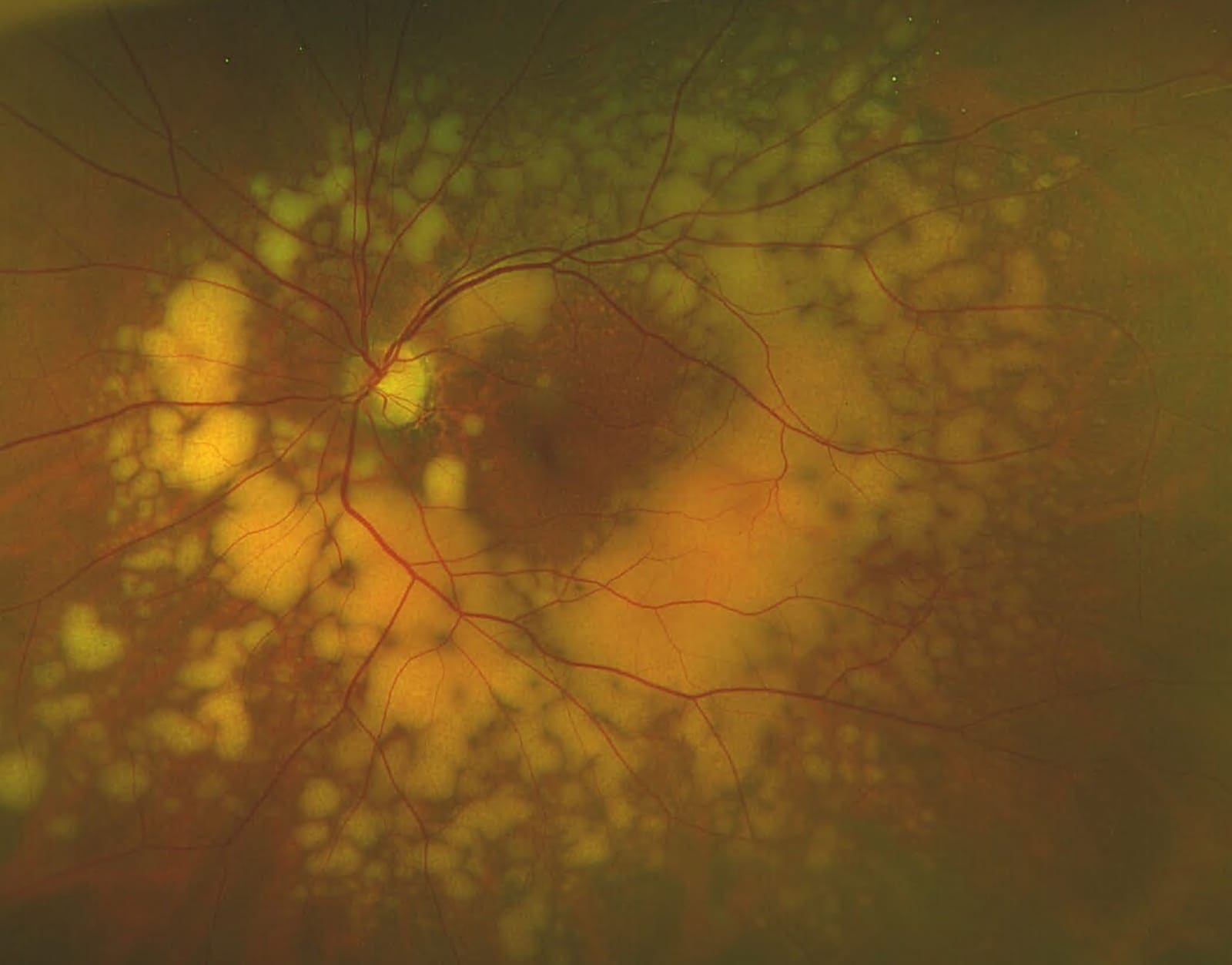
Clinical image — Ocular lymphoma.
Overview

Ocular lymphoma is a rare form of malignancy that can affect different structures of the eye. It may occur inside the eye, involving the retina and vitreous, while other forms may affect the uvea, orbit, conjunctiva, or eyelids.

Early diagnosis is particularly important, as ocular lymphoma may be associated with lymphoma of the central nervous system or may represent a manifestation of systemic disease

Symptoms

Symptoms vary depending on the type and location of the lymphoma and may include:

  • Blurred or reduced vision
  • New floaters or hazy vision
  • Painless visual deterioration
  • Distortion of vision
  • ·Redness or inflammation that does not respond as expected to treatment
  • A mass or swelling of the eyelid, conjunctiva or orbit

Vitreoretinal lymphoma can resemble chronic uveitis and may initially respond temporarily to corticosteroids.

Risk factors

Risk factors associated with ocular lymphoma include older age, immunosuppression, HIV infection, organ transplantation, and immunosuppressive therapy. Ocular lymphoma may also occur in association with systemic lymphoproliferative disorders. In many cases, however, no specific risk factor can be identified.

How is it diagnosed?

Diagnosis is based on a detailed ophthalmic examination and modern imaging techniques, including OCT, fundus photography, and fundus autofluorescence. Depending on the findings, additional investigations such as ocular ultrasound or other imaging studies may be required.

When vitreoretinal lymphoma is suspected, diagnostic vitrectomy may be necessary to obtain a vitreous sample for cytological, immunological, and molecular analysis. Brain MRI, together with systemic and neurological assessment, may also be important in selected cases because of the association between ocular lymphoma and central nervous system lymphoma.

Treatment

Treatment depends on the type and extent of lymphoma and is coordinated between ophthalmologists, oncologists and, when appropriate, neuro-oncology specialists.

Treatment may include:

  • Systemic chemotherapy, particularly for vitreoretinal lymphoma associated with CNS disease
  • Intravitreal chemotherapy, such as methotrexate or rituximab, for intraocular disease
  • Radiotherapy in selected cases
  • Other systemic or targeted treatments depending on the lymphoma subtype

Treatment is highly individualised and requires long-term ophthalmic and systemic follow-up.

When to seek an assessment

You should seek specialist assessment if you develop persistent or unexplained blurred vision, new floaters, painless visual deterioration or recurrent inflammation that does not respond as expected to treatment.

A specialist ocular oncology or uveitis assessment is particularly important when presumed uveitis is atypical, recurrent or incompletely responsive to corticosteroids, especially in an older patient.

Key points
  • Ocular lymphoma is rare and can mimic inflammatory eye disease.
  • Vitreoretinal lymphoma may present with floaters, blurred vision or painless visual deterioration.
  • Diagnosis may require vitreous sampling and specialised laboratory testing, together with systemic assessment.
  • Treatment is individualised and often involves close collaboration between ophthalmology and oncology.

Talk it through with Dr. Diafas.

The assessment and management of ocular lymphoma often require a multidisciplinary approach involving different medical specialties. For specialist assessment or if you have any questions, book an appointment.

This page provides general information only and is not a substitute for an individual consultation.

Book an appointment